How to Use AI Translation for Global Sourcing Success?
In today’s interconnected world, global sourcing relies heavily on effective communication. AI translation plays a pivotal role in breaking language barriers. According to a report by Common Sense Advisory, 76% of consumers prefer to buy products with information in their native language. This statistic underscores the importance of clear communication in fostering international business relationships.
As companies increasingly engage in cross-border activities, the demand for AI translation tools surges. These tools enhance productivity and accuracy, reducing the chances of costly misunderstandings. However, they are not infallible. While AI translation can provide quick translations, context may sometimes be lost. Companies must remain vigilant and review translations to ensure they reflect the intended message.
AI translation continues to evolve, offering innovative solutions for sourcing teams. For example, tools integrating machine learning can adapt to specific industry jargon and nuances. However, organizations must invest time and resources into their implementation. Balancing speed with quality is crucial, as errors in translation may harm a brand’s credibility. Thus, companies should approach AI translation with a blend of optimism and caution.

Understanding AI Translation and Its Role in Global Sourcing
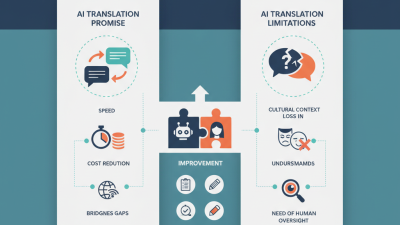
AI translation plays a pivotal role in global sourcing. It bridges language barriers, making it easier to communicate with suppliers worldwide. A report by Research and Markets indicates that the global machine translation market is projected to reach $983 million by 2027, emphasizing its growing importance. Effective AI translation solutions can lower operational costs and enhance efficiency in sourcing strategies.
When using AI translation, accuracy matters. Not all AI tools provide the same quality of translation. For instance, nuanced legal and technical documents may require human oversight. This can prevent misunderstandings that might lead to costly errors. Consistent terminology is vital. Companies should curate a glossary to ensure translations maintain context.
Sourcing teams need to stay updated on AI translation trends. Regular training and integration of new features can improve outcomes. A report by Common Sense Advisory highlights that 75% of consumers prefer content in their native language. This underlines the necessity of effective translation. Ensure that your chosen solutions adapt to your needs, and review translated content periodically for coherence.
Engaging with AI tools is a journey. While they offer immense potential, human insight remains essential. Embrace the technology, but do not rely on it entirely. A combination may yield the best results.
Identifying the Key Benefits of AI Translation for Sourcing
AI translation technology is transforming global sourcing strategies. A recent report from the Common Sense Advisory highlights that 75% of consumers prefer to purchase products in their native language. This statistic sheds light on how language barriers can hinder market expansion. With AI translation, businesses can efficiently localize their content, helping them connect with diverse audiences.
The efficiency of AI translation lies in its speed and scalability. Traditional translation methods often take weeks or months. In contrast, AI can provide instant translations. According to a study by Statista, companies using AI translation reported a 40% reduction in translation costs. This is significant for organizations looking to maximize their sourcing potential.
However, there are challenges. AI may struggle with context, humor, or specific cultural nuances. Some phrases or idioms may not translate effectively. Research shows that relying solely on AI without human oversight can lead to miscommunications. Businesses must strike a balance between speed and quality. Continuous monitoring and evaluation of translations are crucial for maintaining accuracy.
Key Benefits of AI Translation for Global Sourcing
Integrating AI Translation Tools into Your Sourcing Strategies
Integrating AI translation tools into your sourcing strategies can significantly enhance global sourcing operations. According to a report by the Common Sense Advisory, over 70% of consumers prefer to purchase products in their native language. This underscores the necessity of clear communication across diverse markets. Companies without effective translation mechanisms often face difficulties, leading to misinterpretations and lost deals.
AI translation tools can streamline communication. They can quickly transform documents, emails, and contracts. This not only reduces time spent on manual translations but also minimizes human error. In fact, a study by Gartner found that organizations using AI for translation saw a 30% increase in efficiency. However, reliance solely on automated tools has its drawbacks. Contextual nuances can be lost, requiring human oversight to ensure cultural appropriateness.
A challenge often faced is integrating these tools into existing platforms. Many organizations encounter functionality issues, which can disrupt work processes. Additionally, not all teams are equipped to interpret machine-generated translations accurately. Training and support are essential for maximizing the potential of these technologies. Stakeholders must evaluate their infrastructure to ensure seamless integration. Balancing technology with human insight is crucial for successful global sourcing.
Best Practices for Implementing AI Translation in Business Operations
Implementing AI translation tools can significantly enhance global sourcing efforts. According to a report by the CSA Research, 76% of businesses express that accurate translations improve their international operations. However, without proper implementation, the benefits may remain unrealized. Many companies struggle with adapting AI translation to their workflows. Understanding the unique needs of each operation is critical.
To initiate effective AI integration, training is essential. Staff must learn how to properly utilize these tools. This includes knowing when to rely on AI versus human translators. A significant 40% of organizations face challenges in aligning team skills with technology. Regular training sessions can aid in overcoming this hurdle. It ensures that everyone involved understands how to utilize the tools efficiently.
Quality assurance is equally important. AI translation can misinterpret context, which may lead to misunderstandings. In fact, studies reveal that 75% of customers may abandon a purchase when faced with poor translation. Companies must establish a clear review process to evaluate translated content. This approach can reduce potential miscommunications during sourcing negotiations. Implementing feedback loops helps refine both AI tools and staff understanding, enhancing overall accuracy.
Measuring the Impact of AI Translation on Global Sourcing Outcomes
In today's highly competitive global market, AI translation plays a pivotal role in sourcing strategies. A recent study underscores that businesses employing AI-driven translation services can improve communication accuracy by over 60%. This enhancement directly influences sourcing outcomes, enabling companies to negotiate better terms with suppliers and reduce misunderstandings. As the global sourcing landscape expands, integrating AI translation represents a crucial step toward thriving in diverse markets.
Despite the advantages, challenges remain. AI translation tools can sometimes struggle with cultural nuances, leading to potential misinterpretations. According to industry analysis, 30% of companies reported issues with context-specific translations. Real-life examples showcase how errors in translation can result in costly delays or compromised supplier relationships. Therefore, relying solely on AI without human oversight may not always be ideal. Companies need to adopt a balanced approach, combining AI efficiency with human expertise for optimal results.
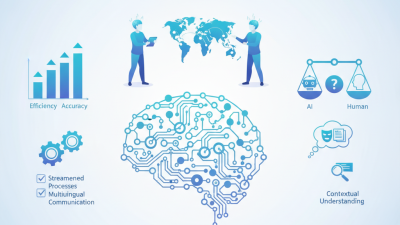
The future of global sourcing will rely heavily on the accuracy and reliability of translation technologies. A comprehensive report highlights that successful organizations are investing in hybrid translation models, which blend AI capabilities with human insights. This strategy not only enhances sourcing success but also fosters stronger partnerships across borders. Embracing this dual approach may well define the next phase of global sourcing as companies strive for excellence in international markets.






.avif)


.png)


