China Top Live Translation App for Global Buyers?

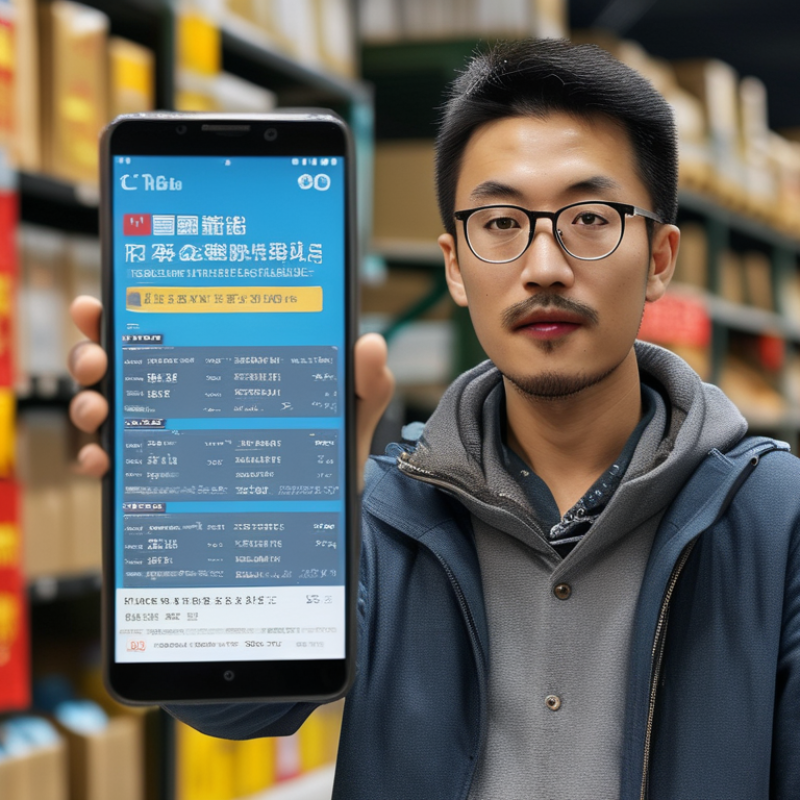
Global buyers often enter China’s live-commerce rooms with more questions than confidence. Product demonstrations move quickly, and sellers may explain materials, sizes, or delivery terms in Mandarin. That is where a reliable live translation app becomes practical. It can convert spoken Chinese into readable English while buyers compare details on screen. Small moments matter. A clear answer about battery capacity can prevent an expensive misunderstanding.

This introduction examines how buyers can assess China’s leading translation tools for cross-border purchasing. Rather than trusting a popularity claim, it considers speech accuracy, response speed, language coverage, and usability. Professional testing should include noisy livestreams, regional accents, product names, measurements, and fast price changes. Independent reviews and transparent privacy policies also strengthen confidence. Experienced buyers know that translation is only one part of due diligence. Supplier credentials, product compliance, invoices, shipping conditions, and return policies still require careful checking.

Even the best app can miss a technical term or confuse a number. That limitation deserves attention. A thoughtful tool should show original speech, translated text, and uncertainty when possible. It should also protect conversations and avoid collecting unnecessary personal data. After practical comparison, buyers can choose an app that supports clearer communication without replacing human judgment. Convenience helps. Accuracy builds trust.
China Top Live Translation App for Global Buyers?

What Is a Live Translation App for Global Buyers in China?

For global buyers in China, a live translation app is a working bridge, not a dictionary. It listens to factory conversations, converts speech quickly, and displays bilingual text. Many tools also scan labels, read chat messages, and explain product specifications. This helps when suppliers discuss order quantities, materials, packaging, or delivery terms. CSA Research’s 2020 Can’t Read, Won’t Buy study found that 76% of consumers prefer product information in their own language. It also reported that 40% would not buy in another language. Clear translation supports trust before a purchase decision.

Tips: Test the app during a real meeting beside noisy machinery. Ask it to repeat numbers, dates, measurements, and technical terms. Save a small glossary before visiting markets or factories. Use camera translation for labels, but verify names and units manually. A wrong decimal can change a quotation. Voice recognition may struggle with accents, overlapping speech, or weak internet. That weakness is easy to overlook. For sensitive negotiations, confirm translated sentences in writing. Keep original audio or text only with permission, and review data settings.

A useful app should provide low-latency voice exchange, offline phrases, terminology memory, and readable Chinese characters. Buyers should judge performance through live testing, not download numbers. Try a three-minute role-play about price, quantity, inspection, and delivery schedules. Record errors. Improve the glossary. Human review may still be necessary for complex contracts or technical disputes.

How Live Translation Apps Support Cross-Language Shopping

China Top Live Translation App for Global Buyers?

How Live Translation Apps Support Cross-Language Shopping

Live translation apps make cross-language shopping more practical for global buyers. During a product video, buyers can ask about material, size, stock, and delivery times. The translated message appears within seconds, helping sellers respond before interest fades. This feels especially useful when product details change during a live session. A buyer can also save the conversation for later review.

Accuracy still needs attention. Product names, measurements, and shipping terms may translate incorrectly. I have seen small wording errors create larger misunderstandings. “Leather,” “synthetic leather,” and “coated fabric” are not interchangeable. Buyers should confirm important details in writing before paying. Sellers can improve reliability by using short sentences, clear images, and standard measurements. Human review remains valuable when the purchase involves technical specifications or unusual materials.

Tips: Ask one question at a time. Confirm currency and delivery dates. Request written return conditions. Compare translated claims with product photos. Do not rely on voice translation alone. Background noise can change the meaning. Also, check how the app handles personal data before sharing addresses or payment information. Translation is helpful, but it is not proof. A careful buyer still pauses, checks, and asks again.

Key Features to Compare in China’s Top Translation Apps

Global buyers need more than a translation app that converts simple sentences. China’s top live translation apps should handle Mandarin accents, fast speech, and noisy factory floors. Voice delay matters during price discussions. A pause of three seconds can interrupt a negotiation. Look for clear speaker switching, accurate subtitles, and support for industry terms. OCR is useful when reading cartons, labels, or handwritten notes. Offline access also helps inside warehouses with weak internet. It is not flawless. Even strong tools can misunderstand names, measurements, or local expressions.

Tips: Test the app before your meeting. Ask a supplier to say ten common product terms. Compare the transcript with your notes. Check whether the app stores recordings, and choose adjustable privacy settings. A small terminology list can improve results. Keep a calculator nearby for quantities and currencies.

Reliable translation also depends on usability. The interface should show Chinese and English together, with readable text under bright showroom lights. Exportable transcripts support later quotation checks and reduce memory-based errors. Some apps allow users to correct terms during a conversation, which is valuable for materials, sizes, and shipping language. However, automatic translation should not replace written confirmation. I have seen one incorrect unit change a sample request. That mistake was avoidable, but not rare. Test accuracy, speed, privacy, and offline performance before selecting an app for serious buyer conversations.

How Global Buyers Use Live Translation During Supplier Talks

Global buyers increasingly use live translation during supplier talks to reduce delays and clarify practical details. In my experience, the tool works best during video calls, factory visits, and sample reviews. A buyer can ask about minimum order quantity, material thickness, production time, and packaging requirements in real time. Small details matter.

Clear questions still need preparation. I usually write key terms before the meeting, including product specifications, inspection standards, payment stages, and shipping responsibilities. The translation app can handle common business language well, but technical words may sound unnatural. “Food-grade coating” or “load-bearing capacity” should be confirmed in writing. Never rely on audio alone.

Trust takes more than fluent conversation. After each discussion, I send a short bilingual record of agreed quantities, tolerances, delivery dates, and document requirements. The supplier can correct misunderstandings before production begins. This simple habit protects both sides. It also creates a useful reference for quality checks.

The process is not flawless. I once accepted a translated phrase that changed a delivery condition. The mistake was caught later, but the delay was avoidable. Live translation should support judgment, not replace it. Buyers still need samples, written confirmations, and independent verification when specifications are important. Short pauses help. Accurate talks take patience.

How Global Buyers Use Live Translation During Supplier Talks

Illustrative workflow benchmark showing the main moments when buyers rely on live translation during supplier discussions.

Product specifications and pricing usually require the most real-time clarification, while shipping and payment discussions tend to involve fewer translation exchanges.

Choosing the Right Live Translation App for Your Buying Needs

Choosing the Right Live Translation App for Your Buying Needs

For global buyers, a live translation app should support real buying conversations, not just casual greetings. I have tested translation tools during supplier calls, product checks, and price discussions. Speed matters when a seller is explaining material, size, or delivery details. A short delay can cause costly confusion. Look for clear voice output, readable text, and support for industry terms. The best choice may not be the most popular one. It should match your buying routine.

Tips: Test the app before a serious call. Ask the seller to describe one product in detail. Check whether the app recognizes measurements, colors, and technical words correctly. Keep a written list of key terms nearby. Use text translation when speech becomes unclear. Avoid sharing sensitive business information until you understand the app’s data practices. Small tests reveal weaknesses.

A reliable app should also handle different accents and noisy environments. I once used a tool near a busy warehouse, and several numbers were translated incorrectly. That mistake changed the quotation. Better apps let users review the original sentence and correct important terms. Still, no tool is perfect. Human confirmation remains necessary for quantities, specifications, payment conditions, and delivery schedules. A practical buyer listens, reads, and checks the details twice. Sometimes, slower communication is safer.

China Top Live Translation App for Global Buyers? - Choosing the Right Live Translation App for Your Buying Needs
Translation Solution Type Best Buying Scenario Chinese Speech Support Conversation Mode Typical Language Coverage Offline Capability Key Buying Advantage Main Limitation
Real-Time Speech Translation App Factory visits, supplier meetings, trade fairs, and live negotiations Usually supported
Mandarin speech recognition and spoken translation are commonly available.
Two-way voice conversation, microphone input, and translated text display Often 70–100+ languages
Coverage depends on the service and language pair.
Basic offline language packs may be available; live two-way speech often requires internet access. Fast communication without requiring both parties to share a common language Accuracy can decrease with factory noise, regional accents, overlapping speech, or technical jargon.
Text-and-Voice Translation App Messaging suppliers, clarifying quotations, and confirming order details Supported in most major services Typed messages, voice input, copy-and-paste translation, and text playback Commonly 50–100+ languages Offline text translation is more common than offline voice translation. Useful for creating a written record of prices, quantities, specifications, and delivery terms Less natural for rapid conversations and may require manual editing of translated messages.
Camera and OCR Translation App Reading product labels, packaging, catalogs, menus, certificates, and signs Not primarily voice-focused Camera capture, image recognition, and translated text overlay Usually supports major written languages Some downloaded language packs support offline image translation; availability varies. Quickly extracts information from Chinese documents without retyping the content Small fonts, low image quality, vertical text, handwriting, and complex layouts can reduce accuracy.
AI Conversation Translator Longer supplier discussions, product customization, and explanation of requirements Usually supported Turn-based or continuous conversation with contextual text and voice translation Often 50–100+ languages Most advanced contextual functions require cloud processing and an active connection. Can use surrounding conversation context to produce more natural translations May paraphrase or infer meaning, so important commercial terms require human verification.
Human-Assisted Remote Interpreting Contract discussions, quality disputes, audits, inspections, and high-value purchases Professional Mandarin support Live audio or video session with a trained interpreter Depends on the interpreter network and requested language pair Not normally available offline because the service requires a live connection. Best option when accuracy, cultural nuance, confidentiality, or legal clarity is critical Higher cost, scheduling requirements, and less flexibility for spontaneous conversations
Marketplace or Chat-Integrated Translation Communicating inside supplier chats, product inquiries, and order follow-up Usually available for Mandarin text Automatic message translation within a chat or purchasing workflow Usually narrower than standalone translation services Normally requires an internet connection because messages are processed online. Reduces copy-and-paste steps and keeps translated messages close to the original conversation Translation quality, export options, and terminology controls may be limited.
Practical selection guidance: For live factory or trade-fair conversations, prioritize two-way speech translation, Mandarin recognition, low-latency output, and noise handling. For quotations and purchase orders, combine live translation with written confirmation and human review of prices, units, specifications, payment terms, and delivery conditions.