Why Are Animal Studies Important for Medical Research?
Animal studies play a pivotal role in advancing medical research. These studies provide critical insights into biological processes and disease mechanisms. They simulate human conditions, allowing researchers to test new treatments safely and effectively.
Through animal studies, scientists can observe the effects of drugs in a living organism. Mice, rats, and other animals are often used. Their genetic and physiological similarities to humans make them valuable. However, this raises ethical questions. We must ensure that these studies are humane and justifiable.
Despite their importance, animal studies have limitations. Results in animals do not always translate to humans. Researchers must interpret findings cautiously. The ongoing debate emphasizes the need for alternative methods. Animal studies remain essential, yet they should be part of a broader research strategy.
Importance of Animal Studies in Understanding Human Disease Mechanisms
Animal studies play a crucial role in advancing our understanding of human diseases. Researchers use various animal models to mimic human conditions. This helps identify disease mechanisms that are often difficult to observe directly in humans. For instance, mice that develop tumors can provide insights into cancer progression. Studying these animals reveals details about cell behavior and genetic factors involved.
However, not all findings from animal studies translate perfectly to humans. There are species differences that can lead to unexpected results. For example, a treatment that works in mice might not have the same effect in humans. This gap in understanding showcases the complexity of biological systems. Researchers must tread carefully when applying animal research findings to human medicine. Continued refinement and validation are essential to ensure reliable conclusions.
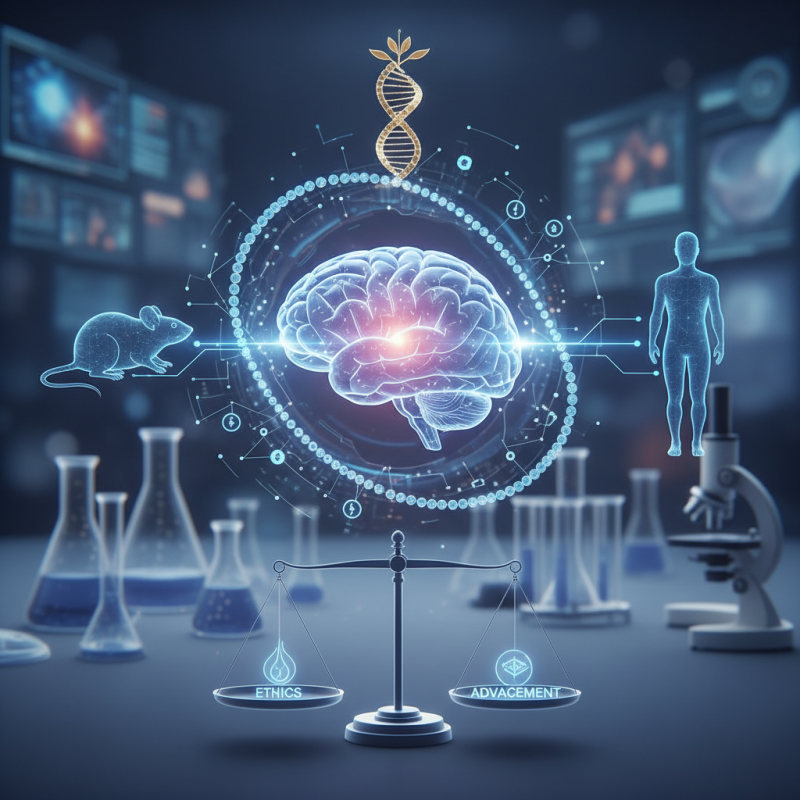
Ethical considerations also emerge in this context. Balancing the need for knowledge with animal welfare is challenging. Some argue that animal studies are outdated, advocating for alternative methods. Regardless, current practices emphasize humane treatment. These dilemmas provide an opportunity for reflection in the scientific community. As research evolves, so must our approach to studying human diseases through animal models.
Role of Animal Models in Preclinical Drug Development and Testing
Animal models play a crucial role in preclinical drug development and testing. They provide insights that are not possible through human studies alone. According to a report from the National Center for Biotechnology Information, around 95% of drugs that enter human trials fail. This highlights the need for effective testing methods.
Using animal models helps researchers understand how drugs interact within a living organism. For instance, rodents are frequently used to study disease mechanisms and treatment efficacy. In 2020, approximately 70% of new drug candidates were tested using animals before clinical trials began. This statistic underscores the significance of preclinical testing in predicting human responses.
Despite their importance, there are ethical concerns surrounding animal testing. Some suggest that the success rates of drugs tested on animals do not always translate to humans. A significant percentage of drugs that work in animals fail in people. This calls for continual reflection on the methodologies used. Valid alternatives need exploration alongside current practices. Animal studies remain a vital component of medical research, but the search for a balance between ethical concerns and scientific need is ongoing.
Statistical Data on Success Rates of Animal Studies in Clinical Trials
Animal studies play a critical role in medical research. They provide essential insights into the mechanisms of diseases. According to recent reports, approximately 85% of new drugs fail during clinical trials. Yet, about 90% of successful preclinical studies involve animal models. This highlights the importance of animals in the early stages of research. Without them, many potential breakthroughs could be missed.
Statistical data showcase that studies using animal models lead to a better understanding. For instance, the National Institutes of Health states that animal research has contributed to many medical advances. This ranges from vaccinations to treatments for chronic diseases. However, the success rate of clinical trials remains low. Only 12% of drugs that enter human trials are approved. This raises questions about the predictive value of animal studies.
Many researchers are now reflecting on the challenges. Limitations of animal models may affect their relevance to human biology. As models evolve, it is crucial to question old assumptions. A more integrated approach combining different methods may enhance reliability. Continuous improvement and adaptation are vital for future medical advancements.
Ethical Considerations and Advances in Animal Research Methodologies
Animal studies play a crucial role in advancing medical research. Ethical considerations are at the forefront of this field. Researchers aim to strike a balance between scientific discovery and animal welfare. Modern methodologies have made significant strides in this regard. According to a report from the National Institutes of Health, over 95% of leading medical breakthroughs involve animal research. This statistic highlights the importance of ethical practices paired with effective research.
The development of alternatives has been an ongoing goal. Scientists now use a range of innovative methods, including in vitro studies and computer modeling. These techniques help minimize the number of animals used. However, they cannot yet completely replace live models in many cases. This reliance raises moral questions about the balance of benefits versus costs in animal research.
Tips: Always check the sources you reference. Ethical review boards play a vital role in approving studies. They ensure that the research minimizes distress to animals. This oversight is critical to maintaining public trust. Engaging with the community about these practices fosters transparency and understanding.
Impact of Animal Research on Breakthroughs in Biomedical Innovations
Animal research plays a crucial role in advancing biomedical innovations. These studies provide insights that human trials cannot. For instance, researchers often use mice to understand cancer. These small animals mimic human disease patterns, allowing scientists to test treatments before moving to humans.
The impact of animal studies is evident in many breakthroughs. Insulin, for example, was developed using dogs in the early 20th century. This innovation revolutionized diabetes treatment. Similarly, animal studies contributed to developing vaccines for diseases like polio. These examples highlight animal research's importance in saving lives.
However, ethical concerns surround animal studies. The treatment of these animals must be humane and regulated. Researchers often face dilemmas about using animals for research versus finding alternative methods. Striking a balance between scientific advancement and ethical considerations is crucial. How can we ensure that animal testing respects life while still pushing boundaries in medicine?
Why Are Animal Studies Important for Medical Research? - Impact of Animal Research on Breakthroughs in Biomedical Innovations
| Study Category | Animal Model | Key Discoveries | Year | Impact on Human Health |
| Cancer Research | Mice | Development of Chemotherapy Drugs | 1970s | Improved survival rates for cancer patients |
| Cardiovascular Research | Pigs | Understanding Heart Disease Mechanisms | 1990s | Advanced treatments and surgeries for heart conditions |
| Neurological Disorders | Rats | Discovery of Alzheimer's Disease Treatments | 2000s | Potential therapies leading to better quality of life for patients |
| Vaccine Development | Monkeys | COVID-19 Vaccine Trials | 2020 | Rapid development and deployment of effective vaccines |
| Diabetes Research | Zebrafish | Insight into Insulin Regulation | 2010s | New therapeutic targets for diabetes treatment |



.avif)


.png)


