What is a translation AI tool and how can it benefit you?
In today's global marketplace, effective communication is essential. Businesses increasingly rely on translation AI tools to bridge language barriers. According to a 2021 report by the Common Sense Advisory, 75% of consumers prefer to buy products in their native language. This highlights the growing demand for effective translation solutions.
Translation AI tools use machine learning to provide quick and accurate translations. These tools can decrease translation costs by up to 30%, making them appealing for businesses of all sizes. However, while AI tools are efficient, they are not infallible. There are nuances in language that AI may struggle to replicate accurately.
As companies seek to enhance their operations, embracing these tools can yield significant benefits. Nevertheless, a careful evaluation of their strengths and limitations is necessary. In the ever-evolving digital landscape, understanding the role of a translation AI tool is crucial for success.
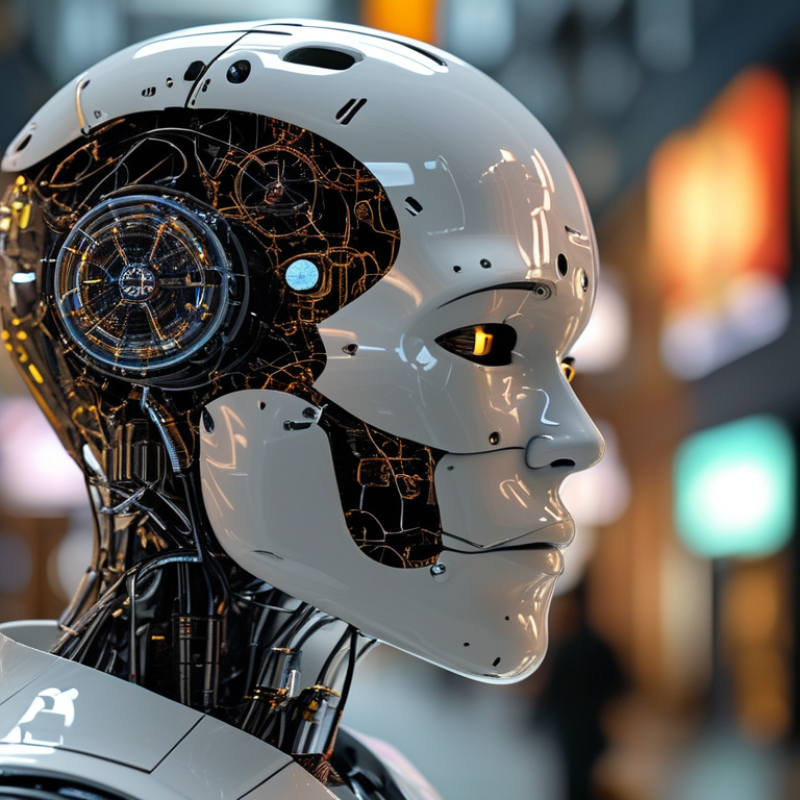
What is a Translation AI Tool and Its Primary Functions?
Translation AI tools have become essential for businesses and individuals aiming to break language barriers. These tools primarily function by leveraging neural networks and machine learning algorithms. They analyze vast amounts of multilingual data to generate accurate translations. According to a recent report by the International Data Corporation, global spending on AI translation tools is projected to reach $1.2 billion by 2025, indicating robust growth in this sector.
One primary function of these tools is to enhance content localization. Effective localization aligns products, services, and communications with the target audience’s cultural context. For instance, a study by Common Sense Advisory found that 75% of consumers prefer to buy products in their native language. This statistic highlights the importance of translation in reaching and engaging diverse customer segments.
However, while AI translation tools offer speed and efficiency, they are not without flaws. They may struggle with idiomatic expressions or cultural nuances. This limitation often necessitates human oversight, especially in sensitive content. Ensuring nuanced communication remains a challenge even for advanced AI tools. The evolution of these technologies presents opportunities for improvement and collaboration between human translators and AI systems.
Key Features of Translation AI Tools: Understanding Their Technology
Translation AI tools utilize advanced algorithms and machine learning to convert text between languages. These tools analyze vast amounts of data to improve translation accuracy over time. One key feature is neural machine translation (NMT), which simulates human-like understanding. NMT produces smoother and more contextually relevant translations, enhancing the overall user experience. Another important aspect is customization. These tools can adapt to specific jargon or terminologies, ensuring that translations are not only accurate but also relevant to the field.
However, there are limitations. While these tools can handle various languages, nuances may be lost in translations. Cultural context is often not fully captured, which can lead to misunderstandings. Users must often review and edit the output for optimal communication. Additionally, reliance on AI tools might lead to a decrease in language learning motivation. As these tools evolve, it remains important to balance their use with traditional language skills.
The technology behind translation AI tools is continuously improving. Yet, it’s vital to remain critical and reflective about their outputs. Mistakes can still occur, and human input is crucial to achieve the best results. This dynamic relationship between AI and human translators showcases the ongoing journey of language translation.
Benefits of Using Translation AI Tools for Individuals and Businesses
Translation AI tools offer significant benefits for both individuals and businesses. These tools provide quick and accurate translations, making it easier to communicate across language barriers. For individuals, this means accessing valuable information and connecting with diverse cultures. For businesses, it streamlines operations by enabling effective communication with clients and partners worldwide.
Employing translation AI can save time and reduce costs. It eliminates the need for human translators for every project. Companies can manage multiple languages simultaneously, thus expanding their reach in the global marketplace. However, relying solely on AI may lead to errors in context or tone. It's essential to review translations to maintain quality.
Using translation AI effectively requires some tips. Understand the limitations of the tool to avoid miscommunications. Always provide clear, concise text for better translations. Aim for a collaborative approach, integrating human oversight where necessary. Balancing technology with human insight enhances the overall quality of translations. As you explore these tools, reflect on your specific needs to maximize their benefits.
Benefits of Using Translation AI Tools for Individuals and Businesses
Translation AI tools provide numerous benefits for both individuals and businesses, including cost efficiency, significant time savings, improved accuracy, enhanced scalability, and greater accessibility. This chart illustrates how users rate these benefits on a scale from 1 to 10.
Challenges and Limitations of Translation AI Tools in Language Processing
Translation AI tools have revolutionized how we approach language processing. However, they face several challenges and limitations. For instance, context is often lost. These tools may provide direct translations but frequently miss subtleties and cultural references. A joke in English may not translate well into another language, resulting in confusion.
Moreover, idiomatic expressions pose significant difficulties. Each language has unique ways to convey ideas. AI systems rely on vast data but cannot always grasp everyday nuances. This limitation can lead to awkward phrasing and misunderstandings in professional settings.
Another critical issue is dependency. Overreliance on AI tools might hinder language learning. People may opt for quick translations instead of engaging with the language itself. This can stifle fluency and comprehension over time. The trade-offs are clear: while translation AI tools offer convenience, they cannot replace the human touch in language processing.
Future Trends in Translation AI Tools and Their Impact on Communication
The landscape of translation AI tools is rapidly evolving. These tools are designed to bridge language gaps. They enhance communication across cultures. As businesses globalize, the demand for accurate translations grows. Many AI tools promise speed and efficiency. However, the nuances of language can be challenging. Context and cultural subtleties often get lost. This leads to potential miscommunications.
Future trends indicate a shift toward more advanced AI. Machine learning algorithms are becoming increasingly sophisticated. They analyze not just words but the emotions behind them. This may enhance the human-like quality of translations. Yet, reliance on AI raises questions about authenticity. Can machines truly grasp the essence of human language?
As translation AI tools become more accessible, professionals must adapt. Combining AI insights with human expertise may be key. This collaboration could foster richer communication experiences. Yet, the constant evolution of technology may leave some behind. Evaluating the balance between technology and human touch is essential. Innovation brings opportunities, but it also challenges traditional roles.









.avif)


.png)


