Why Use a Voice Translator App for Seamless Communication?
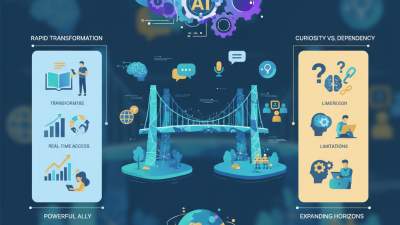
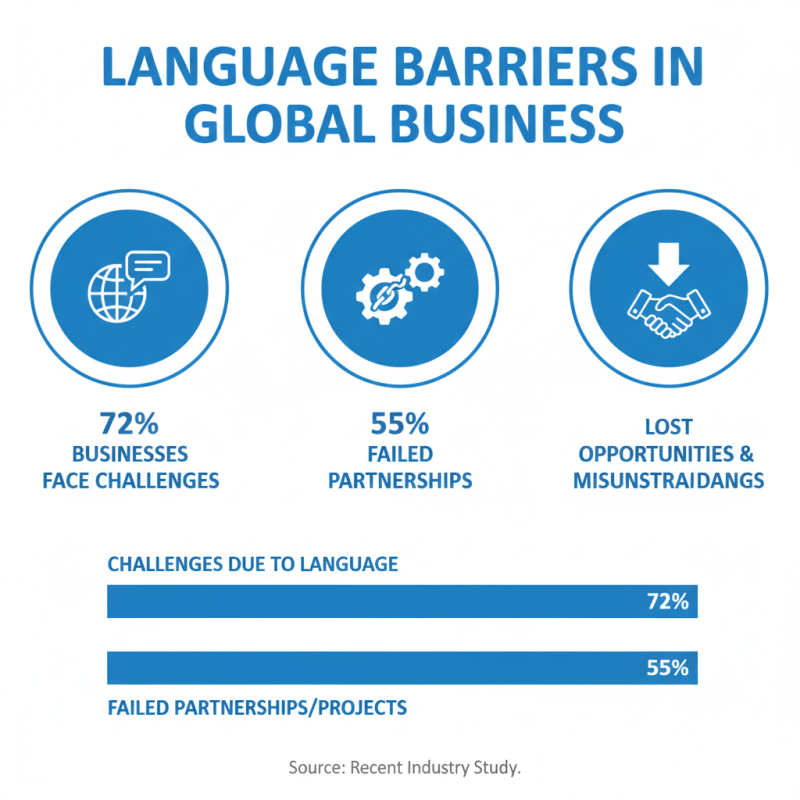
In our interconnected world, communication often faces barriers. Language can be a significant obstacle, leading to misunderstandings. A voice translator app offers a practical solution. It enables users to speak and understand different languages in real-time. This technology can bridge gaps between cultures, fostering better relationships.
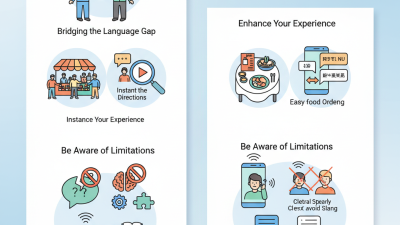
Imagine traveling to a foreign country and struggling to ask for directions. With a voice translator app, you can quickly converse with locals. This app helps you translate spoken words instantly. It goes beyond simple phrases, capturing nuances and emotions. However, it's not perfect. Sometimes, translations may lack context or cultural subtleties.
When relying on technology, we must remain mindful. While a voice translator app enhances communication, it should not replace learning a language. Embracing different cultures can enrich our experiences. Using technology can aid us, but we should also engage in personal connections.

Benefits of Voice Translator Apps in Global Communication
Voice translator apps have revolutionized how we communicate globally. In a world that is becoming more interconnected, these tools offer essential benefits. They help break down language barriers that often disrupt conversations. Imagine discussing complex topics or sharing cultural insights without missing a beat. The technology makes it all possible, allowing instant translations of spoken language.
The convenience of voice translation can enhance travel experiences too. Tourists can confidently ask for directions or inquire about local cuisine. This ability to converse fosters genuine connections. However, there can be pitfalls. Sometimes, translations may miss nuances or cultural context. This can lead to misunderstandings, requiring users to pause and clarify. Being aware of this limitation is crucial in effective communication.
Despite these challenges, using voice translator apps can significantly boost one’s confidence. The freedom to speak and understand is empowering. Real-time conversation may still involve some trial and error, but it also opens doors to new friendships and collaborations. Engaging in a language you're learning becomes less daunting, paving the way for exciting interactions.
How Voice Translator Apps Enhance Travel Experiences for Tourists
Traveling to new places is exciting yet challenging. Language barriers can frustrate even the best-planned trips. Voice translator apps can be a game-changer for tourists. They enable seamless communication, making it easier to connect with locals. Imagine asking for directions or ordering food without confusion. These apps provide instant translations, saving time and reducing stress.
Many travelers find themselves lost in translation. A simple conversation can feel daunting. With a voice translator app, tourists can converse naturally. The app quickly captures spoken words and translates them into another language. This immediacy creates a more immersive experience. Imagine sitting in a local restaurant, effortlessly chatting with the staff about the menu.
Still, there are limitations. Not every phrase translates perfectly. Some cultural nuances may be lost in the process. Miscommunications may occur, leading to funny moments or misunderstandings. Travelers should remain patient and ready to clarify if needed. These imperfections are part of the adventure. By acknowledging these challenges, tourists can enjoy richer interactions and foster genuine connections in their journeys.
Why Use a Voice Translator App for Seamless Communication? - How Voice Translator Apps Enhance Travel Experiences for Tourists
| Feature |
Description |
Impact on Travel |
| Real-time translation |
Translates spoken language instantly, allowing for immediate communication. |
Facilitates smoother interactions with locals and enhances cultural exchange. |
| Offline functionality |
Allows users to download language packs for translation without internet access. |
Enables communication in remote areas where connectivity is limited. |
| Multi-language support |
Supports a broad range of languages, making it useful for diverse travel destinations. |
Accommodates travelers visiting multiple countries with different languages. |
| Voice recognition |
Utilizes advanced algorithms to detect and interpret voice input accurately. |
Reduces misunderstandings, enhancing clarity in conversations. |
| User-friendly interface |
Designed for easy navigation, accommodating users of all ages and tech-savviness. |
Encourages frequent use and confidence in communicating abroad. |
Real-Time Translation Accuracy: Industry Standards and Innovations
In today's globalized world, voice translator apps are becoming essential for seamless communication.
Real-time translation accuracy is crucial. Users expect instant and precise translations, especially in critical discussions.
Industry standards are evolving constantly, driven by advances in artificial intelligence and machine learning. These innovations improve language processing.
However, imperfect translations can occur. Certain phrases or cultural nuances may get lost.
When using a voice translator app, it’s helpful to keep a few tips in mind. Speak clearly and avoid filler words.
Background noise can complicate sound recognition. Use straightforward language for better accuracy. Complex idioms may not translate well.
Test the app with simple vocabulary first.
Adjust settings based on feedback for optimal results.
Even the top translation technology faces challenges. Languages have various dialects, which can affect accuracy.
Context is essential in conversations. Sometimes meanings shift entirely based on tone or inflection.
Understanding these limitations fosters patience and encourages better communication.
Embracing these imperfections allows for personal growth and enhances interactions.





.avif)


.png)


