Why Is Mochi Ice Cream a Growing Global Market?

Mochi Ice Cream has moved from a niche Japanese-inspired dessert into a product noticed by shoppers worldwide. Its appeal is easy to understand. A soft rice-flour shell surrounds a cold, creamy center, creating a contrast between chewiness and smoothness. The small, rounded pieces also fit modern habits, including portion control, sharing, and convenient home storage. In supermarkets, they often appear in colorful freezer boxes, beside familiar ice cream bars and tubs.

Several forces support this growing market. Consumers increasingly seek desserts that offer texture, visual interest, and cultural discovery in one bite. Manufacturers have also developed flavors suited to different regions, such as mango, matcha, chocolate, coconut, and berry. However, global expansion requires more than attractive packaging. Producers must manage frozen distribution, shell texture, ingredient quality, allergen information, and consistent temperature control. A product that looks delicate can become hard, cracked, or sticky when handling is poor.

The trend is promising, but it is not automatic. Some consumers may find mochi unfamiliar, while others may question its price or sweetness. Local preferences matter. So does education. Clear labeling and reliable preparation guidance can build trust, especially for first-time buyers. Market growth should therefore be judged through repeat purchases, retailer performance, consumer feedback, and product quality, not social media attention alone. This article explores why Mochi Ice Cream is gaining global interest, while recognizing that its future depends on thoughtful adaptation, dependable production, and genuine consumer satisfaction. Growth can slow. That possibility deserves attention.
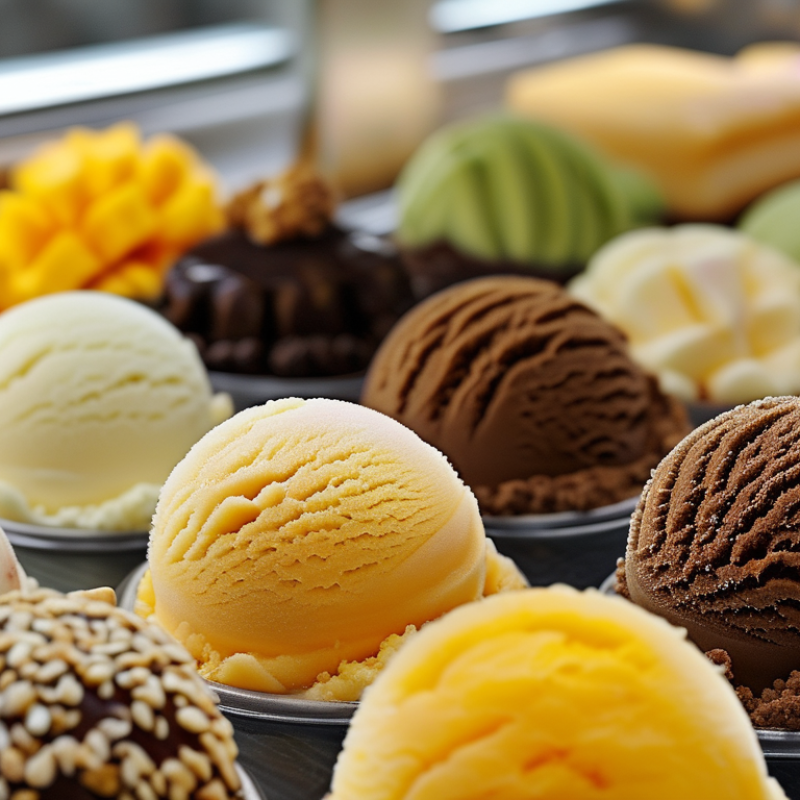
Why Is Mochi Ice Cream a Growing Global Market?

What Is Mochi Ice Cream and How Is It Made?

Why Is Mochi Ice Cream a Growing Global Market?

What Is Mochi Ice Cream and How Is It Made?

Mochi ice cream combines a soft Japanese rice cake with a frozen dairy or plant-based filling. The outer layer uses glutinous rice flour, water, and sugar. Steam gelatinizes the flour, creating a stretchy, slightly chewy dough. Workers flatten it, cut rounds, and wrap chilled ice cream inside. The finished piece feels cool, elastic, and delicate between the fingers.

Production needs careful temperature control. Warm dough can tear or soften the filling. Excess moisture can also create ice crystals. According to the U.S. Department of Agriculture, frozen desserts require controlled cold storage to protect quality and safety. Market estimates vary because some reports group mochi with wider Asian desserts. Grand View Research valued the global ice cream market at approximately USD 79.87 billion in 2023, showing the category’s strong commercial base. Mochi’s small portions and unusual texture may support further growth, but direct mochi-specific data remains limited.

Tips: Choose intact pieces with smooth surfaces and no heavy frost. Let one sit briefly before eating. This improves the texture. Check the ingredient list for rice flour, sweeteners, and allergens. Portion size can look small, yet the filling may be energy-dense. Packaging also matters; poorly sealed wrappers can cause freezer burn. A practical weakness remains: texture preferences differ sharply across cultures, so global acceptance should not be assumed.

How Mochi Ice Cream Developed from a Traditional Japanese Dessert

Why Is Mochi Ice Cream a Growing Global Market?

Mochi began as a traditional Japanese rice cake, made by steaming and pounding glutinous rice. Its chewy texture has long connected it with ceremonies, festivals, and family celebrations. Fresh mochi feels soft, slightly elastic, and mildly sweet. It is not naturally an ice cream product. Confectioners later adapted this familiar wrapper around a frozen filling. The result joined an old craft with modern cold-chain technology.

The development was gradual. In the late twentieth century, Japanese food makers experimented with enclosing ice cream inside thin mochi dough. They had to solve difficult problems. The wrapper needed to stay flexible when frozen. The filling needed to remain creamy without quickly melting. Rice flour, sugar, and careful temperature control became essential tools. The exact starting point remains debated, so simple origin stories can be misleading.

The dessert traveled through Japanese restaurants, specialty shops, and international frozen-food channels. Small round pieces were easy to portion, photograph, and share. Consumers also discovered a playful contrast: a cool center beneath a tender, chewy shell. I find that contrast more persuasive than novelty alone. Still, global popularity does not erase cultural context. Some marketing reduces mochi to a colorful trend, which feels incomplete. Its wider appeal grows when people understand the patience behind pounding rice, shaping dough, and balancing texture. That balance is harder than it looks.

Which Factors Are Driving Its Global Market Growth?

Mochi ice cream is moving from a niche dessert into more international freezers.
Several market forces explain this shift. Its soft rice-dough shell creates a distinct contrast: chewy outside, cold and creamy inside. That texture gives consumers a memorable experience, not just another frozen snack. Small, individually wrapped portions also suit busy households and controlled indulgence. Consumers can enjoy one piece without opening a large tub. This format supports convenience, portion awareness, and easier storage. It travels well through modern cold-chain systems. However, distribution remains sensitive to temperature changes. Poor handling can damage texture quickly.

Digital food culture is another strong driver. Short videos and close-up product photography make the stretching, chewy bite visually attractive. Curiosity encourages first purchases, especially among younger urban consumers. Cafés, restaurants, and specialty retailers also introduce the dessert through limited flavors. Local ingredients can make it feel familiar rather than imported. Examples include green tea, mango, coconut, and seasonal fruit profiles. Clean-label expectations are influencing product development as well. Shoppers increasingly examine sugar levels, allergens, and ingredient lists before buying. The market is growing, but not evenly. Some forecasts may overstate demand by treating online attention as repeat sales. Price, freezer space, and unfamiliar textures still limit adoption in some regions. Manufacturers need reliable texture, transparent labeling, and careful regional research. That work is less visible, but commercially decisive.

How Consumer Preferences Shape Mochi Ice Cream Innovation

Why Is Mochi Ice Cream a Growing Global Market?

Consumer preferences are reshaping mochi ice cream more than novelty alone. Euromonitor International reports continued global growth in convenient, portioned indulgence, especially among younger urban consumers. Mochi fits that behavior. Its soft rice-flour shell creates a tactile experience, while the small format supports controlled indulgence.

Texture matters. Innova Market Insights identified “texture” as a major food innovation driver in its 2024 trends research. Consumers increasingly seek contrast, such as a chewy exterior and cold, creamy filling. This preference encourages experimentation with fruit, tea, plant-based, and reduced-sugar profiles. The International Food Information Council’s 2024 Food & Health Survey also found that many consumers actively monitor sugar intake, pushing developers toward smaller portions and clearer nutrition communication.

However, innovation cannot follow every trend blindly. Mintel’s global food and drink research shows that consumers still value familiar flavors, even while seeking new experiences. A black sesame or tropical filling may attract attention, but unfamiliarity can reduce repeat purchases. Product developers should test sweetness, chewiness, melting behavior, and package usability across markets. My view is less certain here: “healthier” recipes can sometimes weaken the smooth texture people expect. That trade-off deserves more honest testing, not optimistic claims. Regional preferences also matter. A flavor successful in one market may feel excessive elsewhere. Data can guide the launch, but sensory feedback decides whether consumers buy again.

What Challenges Affect the Expansion of the Mochi Ice Cream Market?

Why Is Mochi Ice Cream a Growing Global Market?

Mochi ice cream attracts consumers through its unusual contrast: a soft rice-flour shell surrounds a cold, creamy center. That texture creates a memorable eating experience, especially in short social media videos. Yet texture is also a major expansion challenge. A wrapper that feels fresh in one country may seem too sticky or chewy elsewhere. Product developers must test sweetness, thickness, filling temperature, and bite resistance with local consumers.

Cold-chain control creates another serious barrier. Mochi ice cream can lose its shape during transport, warehouse storage, or repeated freezer-door opening. A small temperature change may cause cracks, frost, or a hard outer layer. Reliable distribution therefore requires accurate temperature monitoring and strong packaging. These systems increase costs, particularly in regions with long delivery routes or uneven freezer access. Smaller producers may struggle to maintain consistent quality.

Clear labeling also matters. Rice flour, milk, soy, nuts, and other ingredients can create allergy concerns. Regulations differ across markets, so packaging must communicate ingredients, storage instructions, and serving conditions accurately. Consumer education remains uneven. Some shoppers still do not know whether to thaw the product before eating it. From a practical development perspective, the industry may be too optimistic about universal appeal. Price, portion size, and unfamiliar textures can limit repeat purchases. Sustainable packaging adds pressure, because materials must protect frozen products without creating unnecessary waste.

Why Is Mochi Ice Cream a Growing Global Market? – What Challenges Affect the Expansion of the Mochi Ice Cream Market?
Market Dimension Verified Data Point Growth Opportunity Expansion Challenge Reference
Lactose digestion and consumer inclusion Approximately 68% of the global population has some degree of lactose malabsorption. A dairy-containing product can still attract consumers when offered in lactose-free, reduced-lactose, or plant-based formats. Lactose tolerance varies considerably by population and individual, so one formulation cannot meet all markets. U.S. NIDDK
Urbanization and convenience demand The United Nations projects that about 68% of the world’s population will live in urban areas by 2050. Small, individually portioned frozen desserts suit urban households, convenience retail, food delivery, and on-the-go consumption. Urban distribution requires reliable cold storage, frequent replenishment, and strict control of temperature during last-mile delivery. United Nations DESA
International tourism exposure Japan recorded 36,869,900 international visitor arrivals in 2024, exceeding its previous annual record. Tourism increases exposure to Japanese-style desserts and can support later demand in visitors’ home markets. Tourism-led trial does not automatically become repeat purchase; local pricing, availability, and cultural preferences remain decisive. Japan National Tourism Organization
Frozen-food temperature control International food-hygiene guidance generally specifies that quick-frozen food should be maintained at −18°C or colder, subject to limited short-term fluctuations. Improved frozen logistics and temperature-monitoring technology make wider geographic distribution more feasible. Mochi’s rice-dough texture can change when exposed to temperature fluctuations, thawing, or refreezing, increasing quality and waste risks. FAO/WHO Codex Alimentarius
Allergen disclosure The European Union requires declaration of 14 specified allergens when they are used as ingredients or processing aids. Clear labeling can build consumer confidence and enable flavors containing nuts, cereals, dairy, or other ingredients to be sold responsibly. Recipes and labels must be adapted to each destination’s allergen rules; cross-contact controls are also essential. European Union Regulation (EU) No. 1169/2011
Food allergy regulation in the United States The United States recognizes nine major food allergens, including sesame, under current federal labeling requirements. Compliant packaging can support entry into a large consumer market and improve transparency for sensitive consumers. Ingredient substitutions, shared-equipment controls, and label revisions may increase formulation and compliance costs. U.S. Food and Drug Administration
Portion format A standard serving-size benchmark is not internationally fixed for mochi ice cream; pack sizes and serving conventions vary by market. Individually wrapped pieces support portion control, sharing, premium presentation, and multi-pack retail formats. Different serving-size expectations and nutrition-label rules complicate packaging standardization across countries. FAO/WHO Codex Food Labelling Guidelines
Plant-based product development No single global regulatory definition or universal market-size measure exists for “plant-based” frozen desserts. Coconut, oat, soy, and other non-dairy bases can broaden the addressable consumer pool and support dairy-free positioning. Replacing dairy can affect freezing behavior, creaminess, protein content, allergen status, and ingredient-label requirements. FAO/WHO Codex Guidelines
Market measurement Public statistical agencies generally report ice cream and frozen desserts as broader categories rather than publishing a standardized global mochi ice cream series. The category’s growth is best assessed through retail audits, consumer surveys, shipment data, and country-level frozen-dessert statistics. Different definitions, pack-size units, channels, and reporting periods make global market-size comparisons difficult. United Nations ISIC Classification
Note: The table uses publicly documented demographic, regulatory, tourism, and food-safety indicators. A universally accepted global market-size or CAGR figure specifically for mochi ice cream is not available from official statistical systems, so no unsupported company or brand estimates are presented.