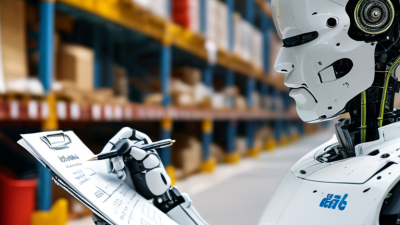
Global buyers do not simply read words. They compare specifications, clarify delivery terms, and judge whether a supplier feels trustworthy. A misplaced decimal in a product sheet can change a purchasing decision. An awkward sentence can create doubt.
CSA Research’s widely cited “Can’t Read, Won’t Buy” study surveyed 8,709 consumers across 29 countries. It found that 76% preferred product information in their own language, while 40% would not purchase from websites written in other languages. These figures show why language access matters in international commerce. Nimdzi’s annual language-industry reports also reflect the growing demand for scalable localization across digital markets.
An ai translation tool helps global buyers translate product pages, catalogs, inquiry forms, and supplier messages quickly. It can support a buyer comparing materials on a laptop, checking dimensions on a phone, or preparing a request for quotation before a regional holiday. Speed matters. Accuracy matters more.
Still, automation is not flawless. It may confuse technical terms, currencies, units, or trade vocabulary. Human review remains important for contracts, safety details, and sensitive product specifications. A reliable workflow combines machine efficiency with specialist judgment. That balance supports stronger E-E-A-T: practical experience, informed expertise, credible sources, and transparent limitations. The best tool does not replace professional communication. It makes that communication easier to verify, adapt, and trust across markets.
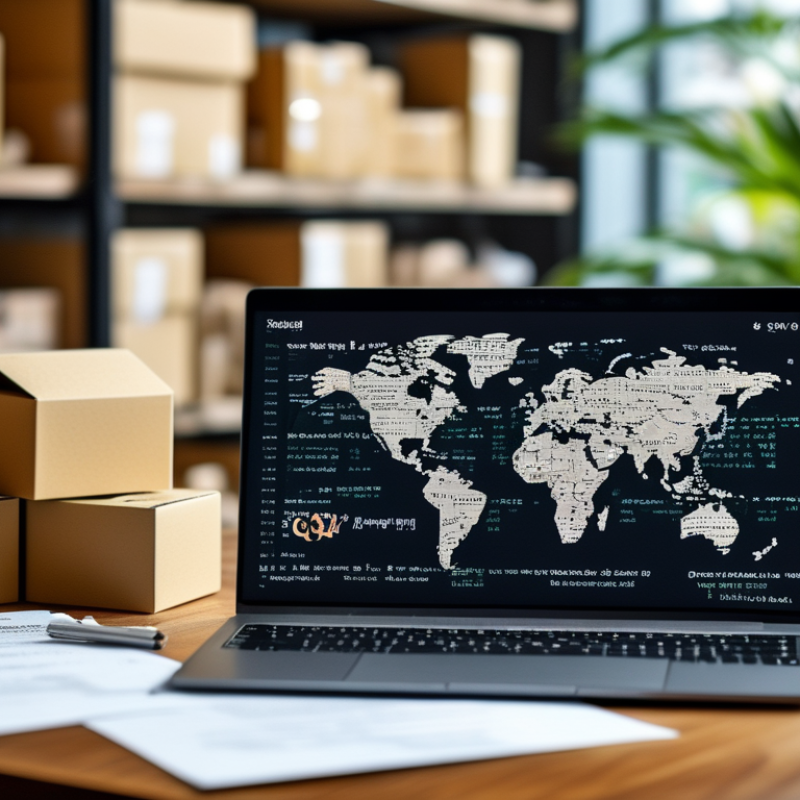
For global buyers, an AI translation tool is software that converts business communication between languages. It is designed to interpret product descriptions, supplier messages, specifications, and purchasing terms. Unlike a basic dictionary, it considers context, industry vocabulary, and sentence intent. Its purpose is practical: reduce misunderstandings during international sourcing.
In daily work, a buyer might paste a supplier’s message about materials, packaging, or delivery schedules. The tool can clarify unfamiliar phrases and produce a readable reply within seconds. It may also help compare product catalogs from different regions. Small errors matter. An incorrect unit, color description, or technical term can affect the entire order. Reliable users check important translations against the original text and ask focused follow-up questions.
Professional use requires more than fast output. Buyers should review terminology, numbers, measurements, and negotiation details carefully. Translation quality can change with accents, incomplete sentences, or regional expressions. In my experience, a second review often catches wording that sounds fluent but carries the wrong meaning. That extra step feels slow. Still, AI translation is helpful rather than infallible. Sometimes the clearest translation still needs a human question.
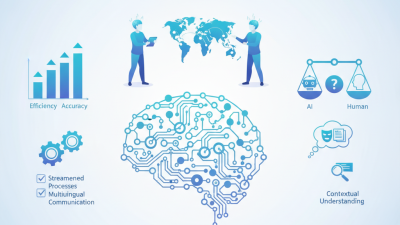
What Is an AI Translation Tool for Global Buyers?
AI translation tools convert multilingual buying information into language buyers can understand quickly. They process product titles, specifications, images, reviews, shipping details, and customer questions. The workflow often begins with language detection. Optical character recognition reads text from product images. Speech recognition handles voice inquiries. Neural machine translation then uses context, terminology, and sentence structure to create a target-language version.
The process is more than replacing individual words. An AI system may identify “lead time” as a delivery period, not a person’s management ability. It can also preserve measurements, currencies, and technical terms. Human reviewers should check high-risk details, especially material composition, safety instructions, and warranty conditions. CSA Research reported that 76% of online shoppers prefer product information in their native language. Its 2020 study also found that 40% would never buy from websites in other languages. These figures show why accurate translation affects trust and conversion.
Yet the process is not flawless. A system may misunderstand regional slang, unclear supplier wording, or a poorly photographed label. It may sound fluent while changing a critical specification. I would not trust fluency alone. Buyers need confidence scores, terminology controls, source-text visibility, and review records. The 2023 Nimdzi Language Services Industry Report described continuing growth in AI-assisted language services, but adoption still depends on quality management. Human judgment remains necessary. Sometimes, the machine needs correction.
AI translation tools process product descriptions, specifications, prices, payment terms, and shipping information across languages. This chart shows approximate native-speaker populations for major language groups, a useful factor when prioritizing multilingual buying information.
Native-speaker estimates are approximate and based on widely cited 2024 global language-population estimates. Values are shown in millions.
An AI translation tool helps global buyers research products and communicate with suppliers across languages. It can translate listings, product specifications, images, chat messages, and technical documents. For product research, useful tools preserve measurements, material names, model numbers, and industry terminology. That detail matters. A small translation error can change a product’s grade, dimensions, or intended use.
CSA Research reported that 76% of online shoppers prefer products in their native language. Its 2020 study also found that 40% would not purchase in another language. These figures show why language support affects trust, not just convenience. A reliable tool should offer terminology glossaries, translation memory, and side-by-side text. It should also identify uncertain phrases instead of hiding them. Context is essential.
Supplier communication needs different features. Buyers should translate inquiries, minimum order quantities, packaging requirements, lead times, and quality questions clearly. Unit conversion can reduce confusion, but users must verify every converted value. The DHL Trade Growth Atlas 2023 highlights the continuing importance of cross-border trade networks, yet smoother communication does not guarantee better sourcing decisions. AI may misunderstand a polite refusal, a regional expression, or a technical abbreviation. It can sound confident and still be wrong. Human review remains necessary for contracts, compliance documents, and final specifications. A practical workflow checks the original text before payment or production begins. That extra minute is not always convenient. It can prevent an expensive misunderstanding.
What Is an AI Translation Tool for Global Buyers?
An AI translation tool converts product pages, quotations, emails, and specifications between languages. For global buyers, it can make overseas sourcing faster and more accessible. A purchasing team can translate a supplier’s 40-page catalog in minutes, then compare dimensions, materials, minimum order quantities, and delivery times. It also helps draft clear questions during price negotiations. Small teams gain useful support.
The benefits are practical. Buyers can screen more suppliers, reduce basic language delays, and identify missing information earlier. AI can also keep repeated terms consistent across purchase orders and technical documents. However, speed does not guarantee accuracy. A translated phrase about tolerance, payment timing, or packaging may sound correct but change the commercial meaning. Context matters greatly.
Human review remains essential. A qualified buyer should check technical vocabulary, quantities, units, shipping terms, and compliance documents before approval. AI may misunderstand local expressions or produce confident wording when the source is unclear. It can also mishandle confidential pricing or customer data if users ignore security controls. That risk is easy to overlook. A useful workflow combines AI translation with approved glossaries, source-text checks, and supplier confirmation. Even then, errors can survive. Buyers should treat the tool as an assistant, not an authority, especially when a single mistranslated detail could cause delays, rejected goods, or unnecessary costs.
| Evaluation Dimension | How AI Translation Helps Global Buyers | Practical Benefit | Main Limitation or Risk | Recommended Purchasing Practice |
|---|---|---|---|---|
| Supplier Discovery | Translates supplier websites, product catalogs, search terms, and inquiry forms into the buyer’s working language. | Expands access to overseas suppliers and makes initial market research faster. | Machine translation may misunderstand industry terminology, regional wording, or product specifications. | Use translated content for screening, then confirm important information directly with the supplier. |
| Product Specifications | Converts descriptions of materials, dimensions, functions, packaging, and operating requirements. | Supports quicker comparison of products from different markets. | Errors in units, negations, tolerances, or technical terms can create costly misunderstandings. | Check translated specifications against the original document and request standardized units. |
| Price and Quotation Review | Translates quotations, payment terms, minimum order quantities, discounts, and surcharges. | Improves understanding of commercial offers before negotiation. | Currency symbols, decimal separators, tax terms, and shipping conditions may be interpreted incorrectly. | Confirm currency, tax responsibility, delivery terms, and the final payable amount in writing. |
| Communication Speed | Provides near-instant translation for email, chat, product inquiries, and routine follow-up questions. | Reduces language-related delays during supplier communication and quotation collection. | Fast responses can still be unclear if the original message is incomplete or culturally ambiguous. | Use short, structured messages with numbered questions and clearly labeled attachments. |
| Contract and Purchase Order Review | Creates a preliminary translation of purchase orders, sales agreements, warranty clauses, and delivery conditions. | Helps purchasing teams identify clauses that require closer review. | AI output is not a substitute for qualified legal translation or legal advice. | Obtain professional review for governing law, liability, intellectual property, disputes, and termination clauses. |
| Quality and Compliance Documents | Translates certificates, inspection reports, test results, manuals, and conformity documentation. | Makes supplier qualification and document comparison more accessible. | A translation cannot verify whether a certificate is authentic, current, applicable, or issued by an accepted body. | Verify document numbers, dates, issuing authorities, product scope, and regulatory requirements independently. |
| Technical Terminology | Uses context to translate repeated terms across product, manufacturing, and procurement documents. | Improves consistency when a buyer manages many suppliers or product categories. | Rare terms, abbreviations, newly developed technologies, and poor source text can reduce accuracy. | Maintain an approved bilingual glossary and review key terms with a technical specialist. |
| Cultural and Negotiation Context | Translates common expressions and helps buyers understand the general meaning of supplier messages. | Supports more inclusive communication across languages and time zones. | Literal translation may miss politeness, indirect disagreement, urgency, or local business norms. | Treat sensitive messages as drafts and confirm intent through clear, neutral follow-up questions. |
| Data Privacy | Processes procurement text, attachments, and conversations to produce translated output. | Allows teams to handle multilingual information without manually recreating every document. | Confidential pricing, designs, customer data, and contract information may require special protection. | Remove unnecessary personal or confidential data and use tools approved by the organization’s security policy. |
| Human Review Requirement | Provides a first draft that a bilingual employee, technical expert, or professional translator can edit. | Combines automation speed with human judgment for high-impact decisions. | AI output can sound fluent while still containing factual, contextual, or numerical errors. | Require human validation for legal, safety, financial, regulatory, and technical content. |
| Overall Use Case | Best suited to research, routine communication, document comparison, and early-stage supplier evaluation. | Improves multilingual workflow efficiency while lowering the barrier to international purchasing. | It cannot independently validate suppliers, guarantee translation accuracy, or replace procurement expertise. | Use AI translation as a productivity and comprehension aid, not as the sole basis for a purchasing decision. |
An AI translation tool helps global buyers compare specifications, contracts, and supplier messages. Choose it for accuracy, security, and workflow fit, not fluent output alone. Common Sense Advisory’s 2020 report found that 75% of shoppers prefer buying in their own language. It also reported that 40% will not buy from foreign-language websites. Translation is a commercial requirement.
Before subscribing, test 20 real product pages. Include measurements, warranty terms, payment language, and industry abbreviations. Compare outputs with a human-reviewed reference. Check whether the tool preserves numbers, units, tables, and negative statements. Ask where data is stored and whether submitted text trains future models. The NIST AI Risk Management Framework recommends documenting limitations, monitoring performance, and maintaining human oversight. A tool that cannot explain its controls deserves caution.
Use a controlled glossary for terms such as lead time, tolerance, and inspection report. Provide the audience, country, and purpose. Keep the original beside the translation. Review sensitive wording before sending a purchase inquiry. Machine output can sound confident while changing one decimal or softening a refusal. No tool is flawless. A reviewer may still miss subtle errors. Track corrections, buyer questions, and misunderstandings. Start with one supplier workflow, measure results, and expand carefully. Adoption is not proof of accuracy.

.avif)